Top 5 Gluten Free food

Here are five popular gluten-free foods:

  1. Quinoa: A versatile grain-like seed that is naturally gluten-free and rich in protein and fiber.
  2. Buckwheat: Despite its name, buckwheat is not related to wheat and is naturally gluten-free. It can be used in a variety of dishes, such as pancakes, noodles, and porridge.
  3. Rice: Rice, in its various forms (white, brown, wild, etc.), is naturally gluten-free and can be a staple in gluten-free diets. It is commonly used as a side dish, in stir-fries, or as an ingredient in gluten-free baking.
  4. Legumes: Beans, lentils, and chickpeas are excellent sources of protein and are naturally gluten-free. They can be included in soups, stews, salads, or used to make gluten-free flours and pastas.
  5. Fresh fruits and vegetables: Naturally gluten-free, fruits and vegetables are nutritious and can be enjoyed in various forms. They can be consumed fresh, added to smoothies, salads, or cooked as part of a main dish.

Remember to always check labels and ingredients when purchasing pre-packaged or processed foods to ensure they are gluten-free, as some products may contain gluten or be subject to cross-contamination.

What is the GLUTEN FREE diet?

The gluten-free diet is a dietary approach that eliminates gluten, a protein found in wheat, barley, rye, and related grains. It is primarily followed by individuals with celiac disease, an autoimmune disorder, or non-celiac gluten sensitivity.

The gluten-free diet involves avoiding foods that contain gluten, including bread, pasta, cereals, pastries, and many processed foods. However, there are numerous naturally gluten-free alternatives available, such as fruits, vegetables, lean meats, fish, legumes, dairy products, and gluten-free grains like rice, quinoa, and corn.

Gluten-free substitutes like gluten-free bread, pasta, and baked goods are also available, often made from alternative grains like rice, tapioca, millet, or almond flour. It’s important to read food labels carefully, as gluten can be present in unexpected places such as sauces, condiments, and even medications.

If you’re considering a gluten-free diet, it’s recommended to consult with a healthcare professional or a registered dietitian to ensure you’re getting all the necessary nutrients and to receive guidance on how to navigate the diet successfully.

Ideas for healthy breakfast

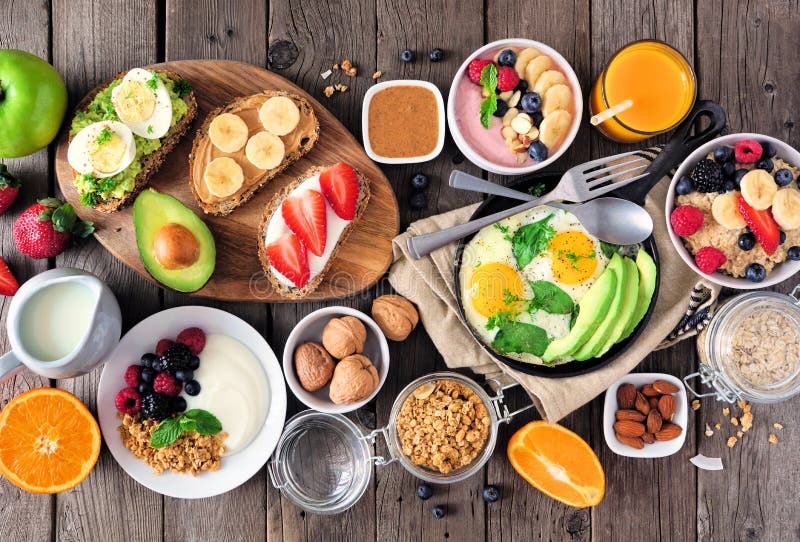
Certainly! Here are a few ideas for healthy breakfast options:

  1. Greek yogurt with mixed berries and a sprinkle of granola.
  2. Whole grain toast topped with smashed avocado and a poached egg.
  3. Vegetable omelette made with egg whites, spinach, tomatoes, and bell peppers.
  4. Overnight oats prepared with rolled oats, almond milk, chia seeds, and sliced fruits.
  5. Whole grain cereal or muesli with low-fat milk or plant-based milk, topped with nuts and sliced bananas.
  6. Smoked salmon on a whole wheat bagel with cream cheese, cucumber slices, and dill.
  7. A fruit smoothie made with a combination of your favorite fruits, yogurt or almond milk, and a handful of spinach or kale.
  8. Quinoa breakfast bowl with cooked quinoa, sautéed vegetables, and a soft-boiled egg.
  9. Whole wheat pancakes or waffles topped with fresh berries and a drizzle of honey or pure maple syrup.
  10. A breakfast burrito filled with scrambled eggs, black beans, salsa, and a sprinkle of cheese, wrapped in a whole wheat tortilla.

Remember, portion sizes and specific ingredients can be adjusted based on your preferences and dietary requirements. Enjoy your healthy breakfast!

What are the 10 healthiest foods to eat?

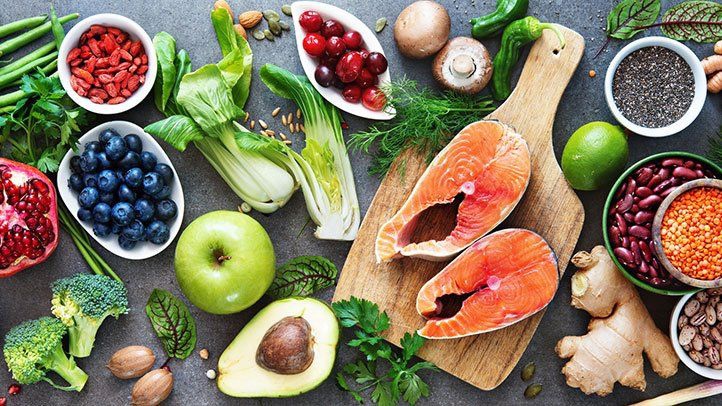
While there are numerous nutritious foods available, here are 10 generally regarded as healthy:

  1. Leafy Greens: Spinach, kale, and Swiss chard are rich in vitamins, minerals, and fiber.
  2. Berries: Blueberries, strawberries, and raspberries are packed with antioxidants and beneficial nutrients.
  3. Fish: Fatty fish like salmon and sardines provide omega-3 fatty acids, which are beneficial for heart health.
  4. Nuts and Seeds: Almonds, walnuts, chia seeds, and flaxseeds offer healthy fats, fiber, and other essential nutrients.
  5. Whole Grains: Quinoa, brown rice, and oats are examples of whole grains that provide fiber, vitamins, and minerals.
  6. Legumes: Lentils, chickpeas, and black beans are high in protein, fiber, and other essential nutrients.
  7. Greek Yogurt: It is a good source of protein, calcium, and probiotics, which are beneficial for gut health.
  8. Cruciferous Vegetables: Broccoli, cauliflower, and Brussels sprouts are rich in fiber, vitamins, and antioxidants.
  9. Avocado: This fruit contains healthy monounsaturated fats, fiber, and various vitamins and minerals.
  10. Tomatoes: They are loaded with vitamins C and K, as well as lycopene, an antioxidant associated with numerous health benefits.

Remember that a balanced and varied diet is essential for overall health, so it’s beneficial to include a wide range of nutritious foods in your meals.

Benefits of eating carrots

Carrots offer numerous health benefits due to their impressive nutritional profile. Here are some key benefits of eating carrots:

  1. Rich in Antioxidants: Carrots are packed with antioxidants, including beta-carotene, which gives them their vibrant orange color. These antioxidants help protect the body against free radicals, reducing the risk of chronic diseases and supporting overall health.
  2. Promote Eye Health: Carrots are renowned for their role in supporting eye health. They contain beta-carotene, which the body converts into vitamin A. Vitamin A is essential for maintaining good vision, preventing night blindness, and promoting overall eye health.
  3. Boost Immunity: Carrots contain various nutrients, including vitamin C, which can strengthen the immune system. A robust immune system helps the body fight off infections and illnesses.
  4. Support Digestive Health: Carrots are a great source of dietary fiber, which aids in maintaining a healthy digestive system. Fiber promotes regular bowel movements, prevents constipation, and supports a healthy gut microbiome.
  5. Heart Health: The antioxidants and fiber found in carrots contribute to heart health. The soluble fiber in carrots can help reduce cholesterol levels, while the antioxidants may help lower the risk of heart disease.
  6. Skin Health: The antioxidants and vitamin C in carrots play a role in maintaining healthy skin. These nutrients help protect the skin from damage caused by free radicals, promoting a youthful and glowing complexion.
  7. Weight Management: Carrots are low in calories and high in fiber, making them a great addition to a weight-conscious diet. The fiber content helps promote satiety, reducing overall calorie intake.
  8. Oral Health: Chewing carrots stimulates saliva production, which can help in reducing the risk of cavities and maintaining oral health. Carrots’ crunchy texture can also act as a natural toothbrush, helping clean the teeth and gums.

Remember, incorporating a variety of fruits and vegetables into your diet is important for overall health. Carrots are a versatile and nutritious vegetable that can be enjoyed raw, cooked, or incorporated into various dishes and recipes.

Why Avocado Is Important to Eat?

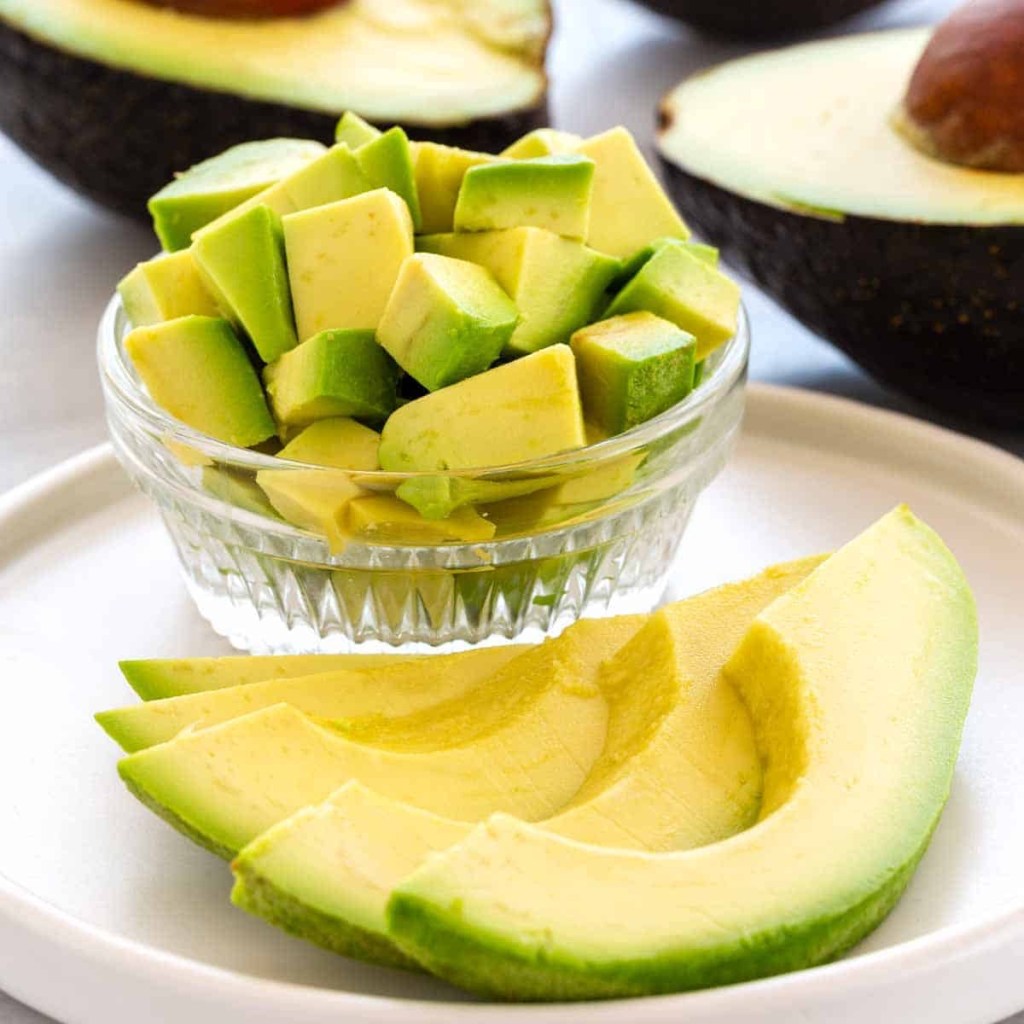
Avocados are considered important to include in a healthy diet due to their numerous nutritional benefits. Here are some reasons why avocados are often recommended:

  1. Nutrient-Rich: Avocados are packed with essential nutrients. They contain healthy monounsaturated fats, which can help improve heart health and reduce bad cholesterol levels. They are also a good source of dietary fiber, vitamins (such as vitamin K, vitamin C, vitamin E, and several B vitamins), and minerals (including potassium and magnesium).
  2. Heart Health: Avocados’ high content of monounsaturated fats, along with their low levels of saturated fat and no cholesterol, make them a heart-healthy food. Consuming monounsaturated fats in moderation can help reduce the risk of heart disease.
  3. Healthy Fats: The fats found in avocados are considered healthy fats, which are essential for various bodily functions. They can aid in nutrient absorption, promote satiety, and provide long-lasting energy.
  4. Fiber Content: Avocados are a good source of dietary fiber, which supports digestive health, helps regulate blood sugar levels, and promotes feelings of fullness, aiding in weight management.
  5. Nutrient Absorption: The presence of healthy fats in avocados enhances the absorption of fat-soluble vitamins (such as vitamins A, D, E, and K) from other foods. Adding avocado to meals can help maximize the utilization of these essential nutrients.
  6. Antioxidants: Avocados contain antioxidants, including carotenoids like lutein and zeaxanthin. These compounds are beneficial for eye health and may reduce the risk of age-related macular degeneration.
  7. Versatility: Avocados are versatile and can be used in a variety of dishes. They can be added to salads, sandwiches, smoothies, or consumed on their own. Their creamy texture and mild flavor make them a popular ingredient in many healthy recipes.

Remember, moderation is key when incorporating avocados into your diet, as they are relatively high in calories. However, when consumed as part of a well-balanced diet, avocados can contribute to a healthy lifestyle and provide a range of health benefits.

Muesli Breakfast

Are you looking for a easy, fast and healthy breakfast?

This muesli recipe is a nutritious and amazing breakfast. Using real fruits and granola give you the perfect combination.

Ingredients:

1 medium apple

4 straberies

6 grapes

5 tbsp of white yogurt

20 gram granola

Enjoy your Muesli Breakfast.

Benefits of Kiwi

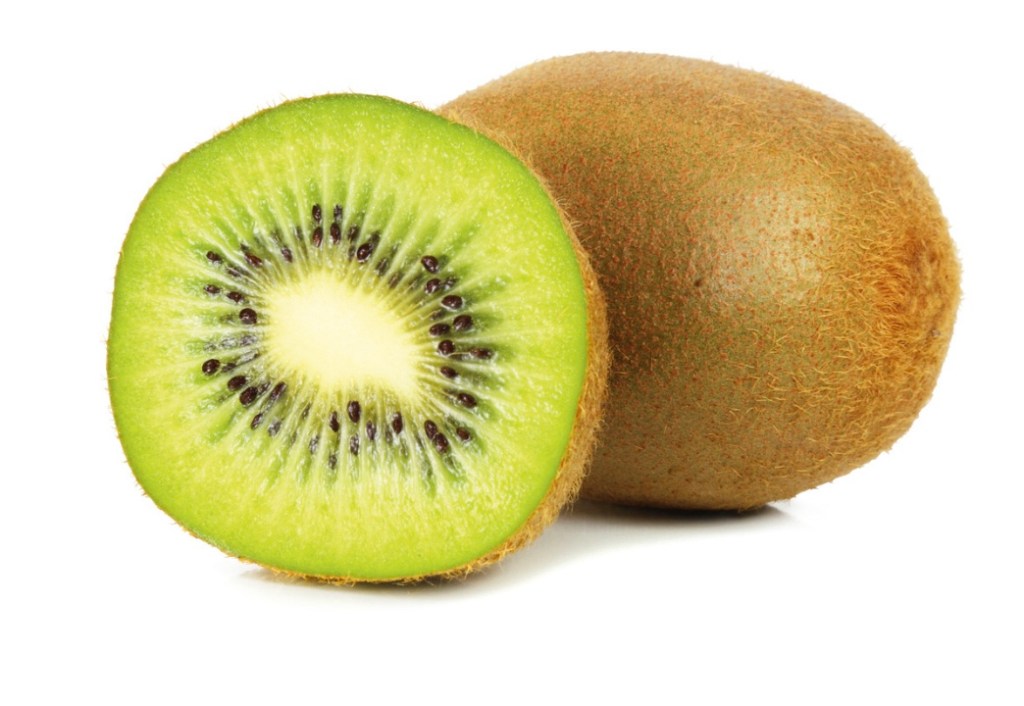
Eating kiwi fruit can be a delicious and nutritious addition to your diet. Kiwi is a small, hairy fruit that is packed with vitamins and minerals. Here are some of the benefits of eating kiwi:

  1. Rich in Vitamin C: Kiwi is one of the most vitamin C-rich fruits, with one kiwi providing more than 100% of the daily recommended intake. Vitamin C is an important antioxidant that helps to protect the body from damage caused by free radicals.
  2. Good for the Heart: Kiwi is a good source of potassium, which helps to regulate blood pressure and reduce the risk of heart disease.
  3. May Help with Digestion: Kiwi contains a enzyme called actinidain which can help to break down protein in the stomach, making it easier to digest.
  4. May Boost Immune System: The high levels of vitamin C in kiwi can help to boost the immune system, helping to protect the body against infections and diseases.
  5. May Help with Sleep: Kiwi is a good source of serotonin, a neurotransmitter that can help to regulate sleep. Eating kiwi before bedtime may help to promote a better night’s sleep.
  6. Low in Calories: Kiwi is low in calories, making it a great option for those looking to lose weight.

Eating kiwi is easy and versatile, it can be eaten on its own as a snack, added to smoothies, salads, or yogurt. It’s also a great addition to desserts. Overall, kiwi is a delicious and nutritious fruit that can be a valuable addition to a healthy diet.

Note: It’s important to note that while kiwi can have these benefits, it’s not a substitute for a balanced diet and exercise. It’s important to consult with a doctor before making any drastic changes in your diet

Eat more salads and less meat

Eating a salad instead of a meat-based meal can have numerous benefits for both your health and the environment.
 
One major benefit of eating salads is that they are typically low in calories and high in essential vitamins and minerals. Leafy greens, such as spinach and kale, are packed with nutrients like vitamin K, vitamin A, and folate. These vitamins and minerals help to keep your body functioning properly and can help to reduce your risk of chronic health conditions like heart disease and cancer.
 
Another benefit of eating salads is that they can help you to lose weight. Many people find that they feel full and satisfied after eating a salad, which can help to curb cravings for unhealthy foods. Additionally, because salads are often low in calories, they can be a great way to eat a satisfying meal without consuming too many calories.
 
Eating salad instead of meat can also have environmental benefits. Meat production is a major contributor to greenhouse gas emissions, deforestation, water pollution and other environmental problems. Eating less meat can help to reduce your carbon footprint and support sustainable farming practices.
 
Additionally, salads made with a variety of fresh fruits and vegetables can add a variety of flavors and textures to your diet, making your meals more interesting and enjoyable.
 
In conclusion, eating salads instead of meat can have numerous benefits for your health and the environment. Incorporating more salads into your diet can help you to lose weight, reduce your risk of chronic health conditions, and support sustainable farming practices. So next time you’re deciding what to eat, consider reaching for a salad instead of a meat-based meal

Easy, healthy and quick salads ideas #lunch #salad #healthylifestyle #dinner
https://youtube.com/shorts/qnN6CKh70Wc?feature=share

Design a site like this with WordPress.com
Get started